

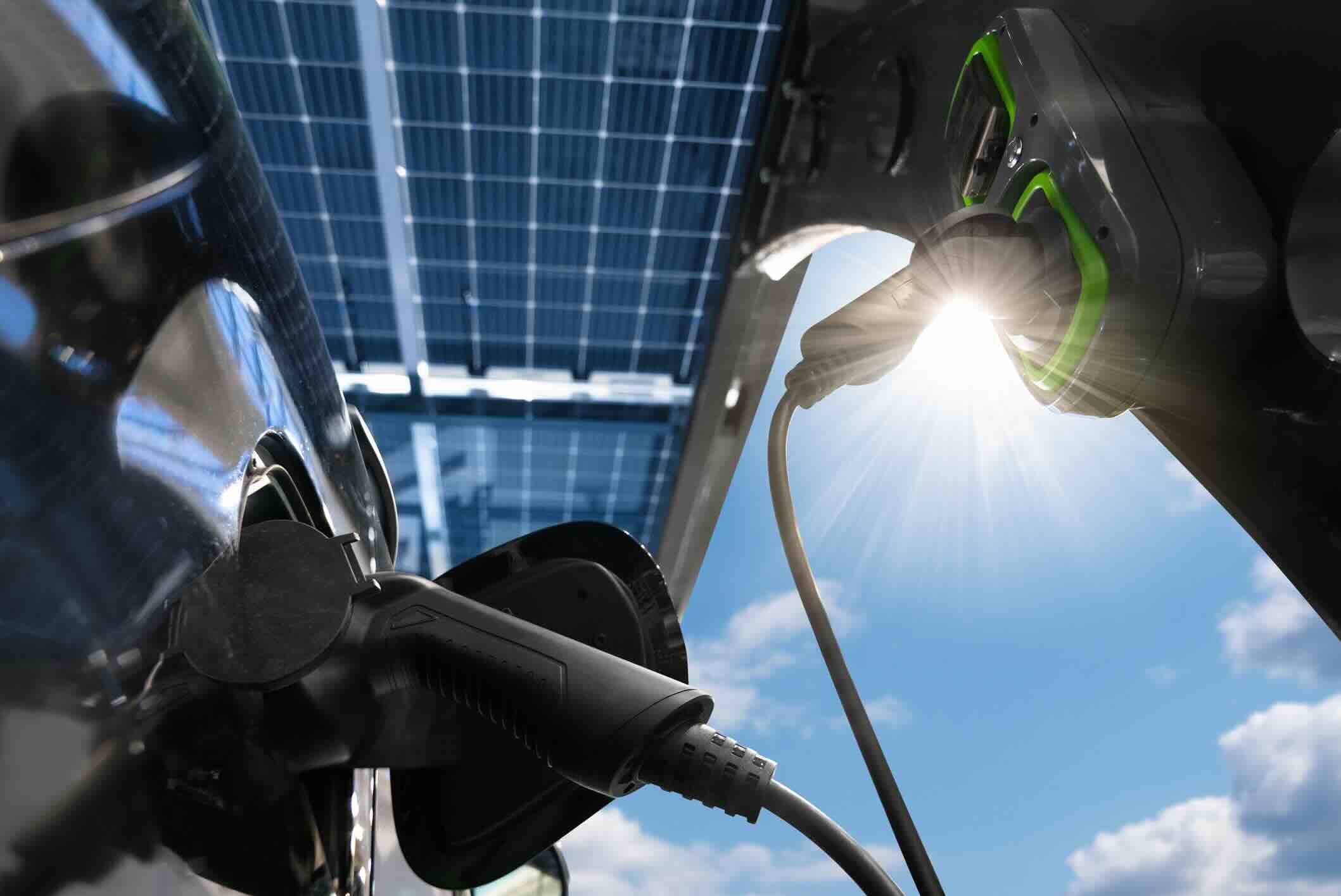
As electric vehicles become part of everyday transportation, charging infrastructure is being shaped less by theoretical capability and more by practical demand. Early conversations around EV charging often centered on access and availability, but today the focus has shifted toward how charging systems perform under real-world conditions. Different environments introduce different constraints, from dwell time and space limitations to grid capacity and operational schedules.
These factors are prompting a broader reassessment of how charging infrastructure is planned and deployed. Rather than relying on a single approach, stakeholders are increasingly matching charging solutions to specific use cases, balancing speed, utilization, cost, and reliability. This shift reflects a maturing market where infrastructure decisions are guided by context rather than assumptions.
Examining how these demands influence charging strategies provides useful insight into the evolving role of higher-power charging solutions within modern EV networks.
How DC Fast Charging Technology Works
At a technical level, DC fast charging differs from conventional AC charging in where power conversion takes place. With AC charging, electricity is converted to direct current by the vehicle’s onboard inverter before it can be stored in the battery. The capacity of this onboard component places natural limits on how quickly energy can be delivered.
DC fast charging systems shift this conversion process outside the vehicle, supplying direct current to the battery through external equipment. This design supports higher power delivery when vehicles and site infrastructure allow, which can significantly reduce charging duration in certain contexts. As a result, DC fast charging is commonly associated with environments where turnaround time and vehicle availability are important considerations.
Supporting systems such as thermal management and communication protocols play an important role in enabling this process. Features like liquid-cooled cables and real-time data exchange between the charger and the vehicle help regulate power flow and protect battery health. Together, these elements allow DC fast charging to operate efficiently within a broader charging ecosystem rather than as a standalone solution.
Speed and Convenience for Modern Mobility Needs
One of the defining benefits of DC Fast Chargers is the unmatched speed they offer. As lifestyles become increasingly dynamic and mobile, the ability to recharge an electric vehicle in under an hour is a game-changer. Whether it’s commuters topping off on a lunch break or ride-share drivers between shifts, rapid charging offers a level of flexibility that slower alternatives cannot match.
This convenience extends beyond individual users to commercial and municipal fleets. Delivery services, public transit systems, and taxi networks all depend on vehicle uptime. The traditional model of overnight charging is no longer sufficient in a 24/7 operational landscape. With DC Fast Charging, these entities can rotate vehicles more efficiently, ensuring higher asset utilization and reduced downtime.
Retail and hospitality sectors also recognize the strategic advantage of offering fast charging. Locations equipped with DC Fast Chargers attract more traffic and promote longer customer dwell times. As a result, businesses are not just investing in sustainability but also enhancing their value proposition. The fast, reliable service offered by these chargers aligns perfectly with the expectations of today’s consumers.
Design Innovation and System Architecture
As DC Fast Charging becomes more central to transportation infrastructure, the quality of design and system architecture has taken on greater importance. Charging networks require not only power but also intelligent layouts and modular components that can evolve with changing needs. The goal is to ensure that installations remain scalable, serviceable, and capable of handling increasing demand without major overhauls.
This shift has encouraged a new class of manufacturers to focus less on scale alone and more on reliability, configurability, and long-term operability. One example is ChargeTronix, which supplies Apex DC fast-charging systems to fleet operators and public networks across North and Latin America. Its hardware is designed around modular, distributed power, allowing multiple vehicles to charge simultaneously, and it supports features such as configurable cord management and compatibility with modern payment and access controls. Globally.
Additionally, modern fast chargers often integrate features such as plug-and-charge capabilities, RFID access, and integrated payment systems. These enhancements make the user experience seamless while reducing the administrative burden on operators. Smart diagnostics and remote monitoring further contribute to uptime and operational efficiency. Together, these design innovations ensure that DC Fast Charging remains a future-proof investment.
Urban Deployment and Infrastructure Planning
Urban centers face unique challenges when it comes to deploying EV charging infrastructure. Space constraints, grid capacity, and zoning regulations all play a role in determining how and where chargers can be installed. DC Fast Chargers offer a practical solution by delivering high power in a relatively compact footprint. Their speed compensates for the limited number of available units in densely populated areas.
Strategic placement of these chargers is essential to maximize their impact. Locations such as shopping centers, transit hubs, and public parking structures serve high-traffic areas and provide opportunities for convenient charging. Urban planners are increasingly collaborating with private operators to ensure that infrastructure development aligns with broader transportation and environmental goals. The goal is to create a network that is both accessible and efficient.
Grid integration is another critical factor. DC Fast Chargers require significant power draw, which can strain local utilities if not properly managed. Solutions include deploying chargers with energy storage systems, utilizing off-peak charging schedules, and incorporating renewable energy sources. These considerations help cities balance growth with sustainability, ensuring that EV adoption continues without overwhelming existing resources.
Economic Considerations and Return on Investment
Investing in DC Fast Charging infrastructure involves substantial upfront costs, but the long-term economic benefits can be compelling. For site hosts such as retail centers, the ability to attract EV drivers and extend customer visits can translate into higher sales and brand loyalty. Charging fees also provide a recurring revenue stream, helping to offset operational expenses.
Fleet operators see even more pronounced advantages. Time is money in logistics and transportation, and the faster turnaround enabled by DC Fast Chargers reduces vehicle downtime. This can result in significant productivity gains and lower total cost of ownership for electric fleets. Additionally, some regions offer incentives and grants that further improve the financial outlook of deploying fast chargers.
From a policy perspective, governments are increasingly viewing charging infrastructure as critical public investment. Funding mechanisms, tax credits, and partnerships with private firms help reduce the financial barriers to deployment. These programs not only accelerate infrastructure development but also create jobs and support local economies. The economic ripple effects of DC Fast Charging make it a smart investment on multiple levels.
Environmental Impact and Sustainability
While the primary advantage of EVs lies in reducing tailpipe emissions, the method of charging also influences their environmental footprint. DC Fast Chargers, particularly those integrated with renewable energy sources, contribute to a cleaner grid. Pairing fast chargers with solar panels and energy storage systems ensures that clean energy is utilized more efficiently, reducing dependence on fossil fuels.
Moreover, the speed of DC Fast Charging can facilitate broader EV adoption, which in turn amplifies environmental benefits. Consumers are more likely to make the switch from internal combustion engines when they see a reliable and fast charging network. By reducing range anxiety and downtime, these chargers remove key psychological and logistical barriers.
Additionally, the technology itself is evolving to become more sustainable. Manufacturers are exploring recyclable materials, energy-efficient components, and longer product life cycles. These efforts reduce waste and make the entire ecosystem more eco-friendly. As the EV industry grows, so too does the imperative to ensure that its infrastructure aligns with global sustainability goals.
The Future Outlook of DC Fast Charging
The trajectory of DC Fast Charging suggests that it will become even more integral to the EV landscape in the coming years. Innovations such as ultra-fast charging, wireless energy transfer, and vehicle-to-grid integration are already on the horizon. These advancements will further reduce charging times and enhance grid stability, creating a more resilient and responsive energy system.
Market dynamics also point to continued growth. Automakers are releasing vehicles with higher battery capacities and faster charging capabilities, which necessitate compatible infrastructure. As technology evolves, standards will continue to harmonize, enabling broader interoperability and reducing friction for users. This maturity will be crucial as EV adoption moves from early adopters to the mass market.
Lastly, public-private partnerships will play a pivotal role in scaling fast-charging networks. Collaboration among utilities, government agencies, manufacturers, and site hosts ensures that the benefits of DC Fast Charging are widely distributed. The future of mobility depends on accessible, efficient, and sustainable energy solutions, and DC Fast Chargers stand at the forefront of that transformation.