

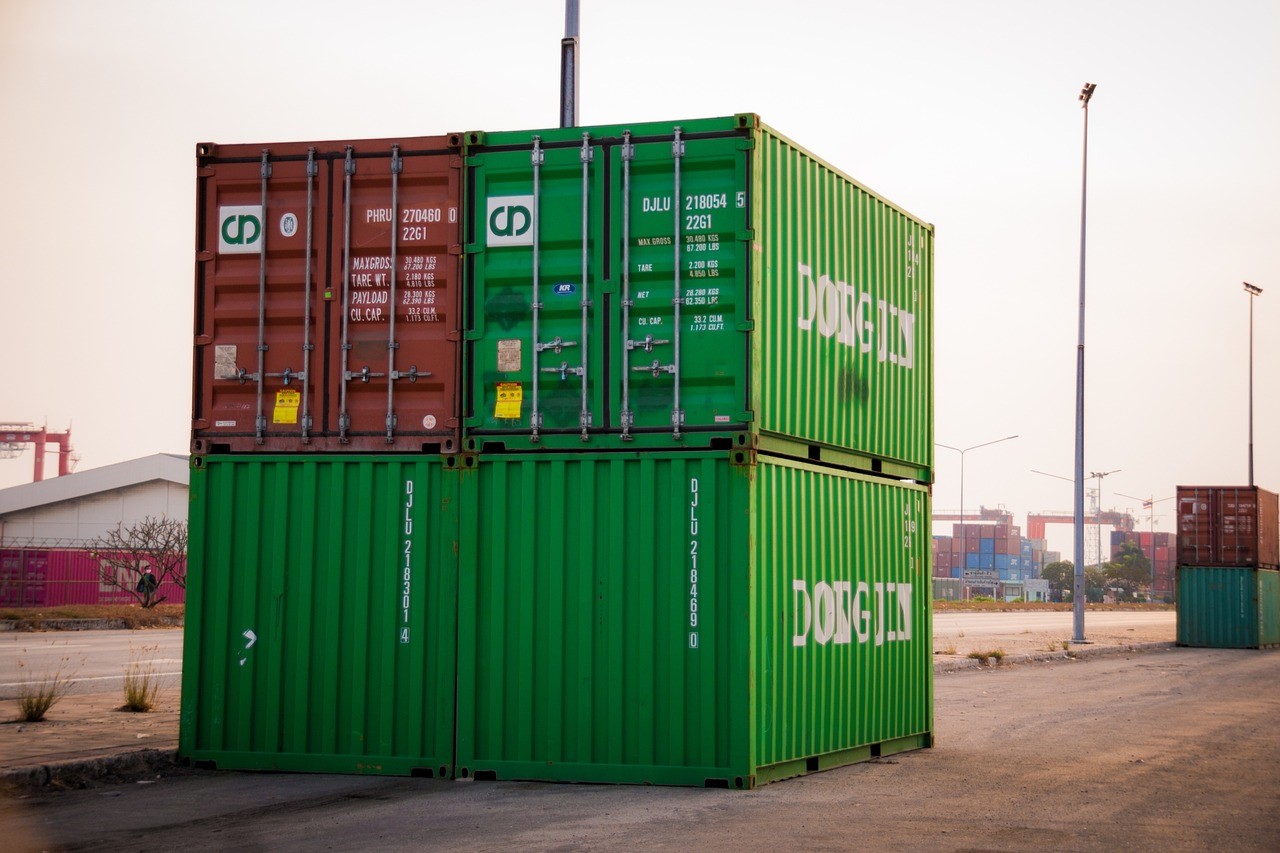
Businesses are under growing pressure to stay flexible while keeping costs predictable. Long construction timelines, rigid leases, and fixed layouts no longer fit how many companies operate today. Workforces expand and contract, locations change, and customer engagement often happens outside traditional spaces. This reality has pushed businesses to rethink how and where work gets done.
Shipping containers have moved into this conversation as practical business tools rather than novelty structures. Their durability, portability, and adaptability give companies ways to create usable space without committing to permanent builds. From customer-facing concepts to behind-the-scenes operations, containers support fast setup, relocation, and reconfiguration as needs evolve. This way, businesses can focus on agility, responsiveness, and smarter use of space.
Pop-Up Retail Locations Designed for Mobility
Retail no longer relies only on fixed storefronts. Brands now look for ways to meet customers where demand already exists, whether at events, seasonal destinations, or high-traffic urban areas. Mobile retail setups allow businesses to test locations, launch limited runs, or support short-term campaigns without long leases.
Shipping containers support this model through their ability to move and reset quickly. A retail space can operate for weeks or months, then relocate without rebuilding from scratch. Interior layouts adapt to merchandise changes, while exterior design attracts attention in crowded environments. This mobility gives brands freedom to follow customer movement rather than waiting for foot traffic to come to them. Plus, you can easily get shipping containers for sale these days to fulfill any business need.
Storage Solutions Customized for Inventory Flow
Inventory needs change constantly, especially for businesses managing seasonal products or fluctuating demand. Fixed warehouses often lack flexibility, leaving companies paying for unused space or struggling during peak periods. Container-based storage offers a more responsive alternative.
Containers can be placed close to operations, stocked based on current demand, and adjusted as inventory levels change. Layouts support specific workflows such as fast access items, overflow stock, or segmented product lines. This setup improves efficiency while keeping storage aligned with real usage rather than projections.
Modular Workspaces Built from Adaptable Steel Units
Workspaces today serve many functions beyond desks and meeting rooms. Teams need areas for collaboration, focused work, and temporary projects. Traditional offices struggle to adjust quickly, especially for growing or distributed teams.
Shipping containers allow businesses to create modular workspaces that expand or contract as needed. Units connect to form larger layouts or stand alone for specific teams. Interiors adapt to lighting, acoustics, and technology needs.
Container-Based Cafés and Food Concepts
Food businesses often face high startup costs tied to real estate and buildouts. Containers offer an alternative that reduces time to launch while supporting creative design. Cafés and food concepts operate from compact, efficient layouts that focus on service and experience.
Such spaces work well in high-traffic areas, events, and developing districts. Containers allow operators to test menus, refine branding, and build customer followings before expanding further. The compact format encourages efficiency while still offering visual identity and customer appeal.
Mobile Showrooms for Product Demonstrations
Product demonstrations benefit from controlled environments where customers can interact directly with offerings. Mobile showrooms give businesses the ability to bring products to clients rather than waiting for visits to fixed locations.
Container-based showrooms travel between sites, trade events, or client locations. Interiors showcase products through tailored layouts, lighting, and interactive displays. This approach supports direct engagement while keeping setup consistent across locations. Mobile showrooms help businesses stay visible, responsive, and connected to their audiences without relying on permanent spaces.
Training Spaces Created for Short-Term Use
Training needs often rise quickly and then taper off just as fast. New hires, certification programs, and project-based learning rarely justify permanent classrooms. Container-based training spaces give businesses a way to respond without long commitments.
These units can be set up near job sites, offices, or production areas, keeping learning close to daily operations. Interiors support presentations, hands-on practice, or small group instruction. Once training wraps up, the space can shift purpose or relocate.
Climate-Controlled Units for Sensitive Goods
Some products require stable conditions regardless of where they are stored or used. Temperature swings, humidity, and dust can affect quality, performance, or compliance. Traditional facilities often lack the flexibility to place controlled environments exactly where they are needed.
Climate-controlled containers solve this by bringing regulated conditions directly to the operation. Units protect electronics, medical supplies, food products, or specialized materials on-site.
Customized Interiors Reflecting Brand Identity
Brand experience now extends beyond websites and packaging. Physical spaces are crucial to how customers and partners perceive a business. Containers provide a blank canvas that companies can shape to match their identity.
Customized interiors incorporate colors, materials, lighting, and layout choices that align with branding goals. Whether customer-facing or internal, the space feels intentional rather than temporary.
Portable Medical or Wellness Units
Healthcare and wellness services often need to reach people rather than wait for visits. Portable units allow providers to operate in communities, job sites, or temporary locations without building permanent facilities.
Container-based medical or wellness units support exams, consultations, and treatment services. Interiors meet functional requirements while remaining adaptable for different uses. This mobility expands access while keeping the setup efficient and repeatable.
Creative Studios for Design and Media Teams
Creative work benefits from dedicated environments that support focus and experimentation. Traditional offices sometimes limit this freedom due to shared space or rigid layouts. Containers offer an alternative that supports creative flow.
Studios built from containers provide quiet zones for design, media production, or content creation. Layouts adjust to equipment needs, sound control, and collaboration styles. Teams gain spaces that feel purpose-built without waiting for long renovations.
Logistics Hubs Positioned Near Job Sites
Logistics efficiency improves when resources sit close to where work happens. Centralized facilities often slow response times and increase transport costs. Container-based hubs bring logistics closer to action.
Placed near job sites, these hubs support tool storage, material staging, and distribution. Businesses respond faster to daily needs and reduce downtime caused by missing supplies. The ability to relocate hubs as projects shift keeps logistics aligned with operations.
Shipping containers have moved well beyond basic storage roles. Businesses now use them as adaptable spaces that support retail, training, logistics, and creative work. Their strength lies in flexibility, speed, and the ability to follow demand rather than stay fixed in one place. As companies rethink space strategy, containers offer practical ways to stay responsive without long-term constraints. For many businesses, reimagining containers has opened doors to new ways of working, selling, and growing.