

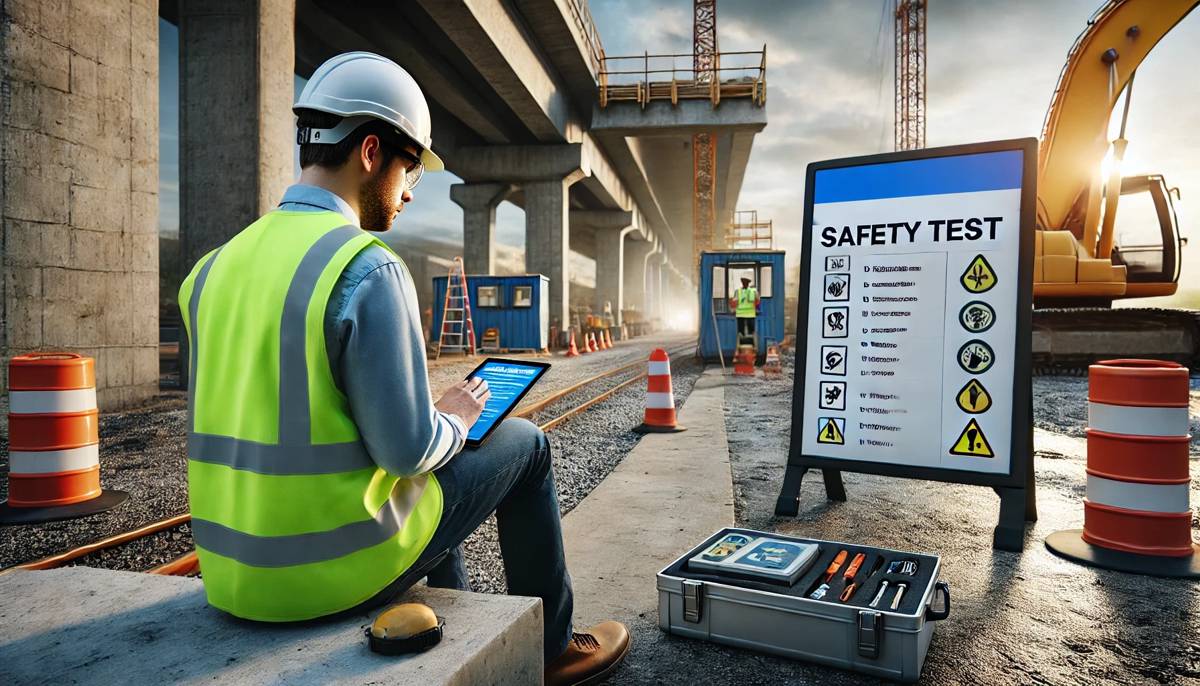
Workers, tools, and materials interact on a regular basis on construction sites, which are dynamic settings. These workplaces provide chances for advancement, but they also carry hazards that need to be properly controlled. In order to assist employees in comprehending their responsibilities, adhering to rules, and creating a safer workplace, safety training is essential. Construction safety education promotes responsibility and compliance across the sector by raising awareness and fostering accountability.
The Value Of Construction Safety Compliance
In the construction industry, adherence to workplace safety rules is essential. To lower workplace interruptions, accidents, and injuries, governments and industry organisations set safety regulations. Employees who are aware of these standards are better able to identify potentially dangerous circumstances and adhere to proper protocols.
The information required to recognise hazards before they develop into major events is provided via safety training. Workers on construction sites get a thorough grasp of their responsibilities and the demands made of them via organised learning. This foundation contributes to the development of a culture that prioritises safety on a daily basis rather than as an afterthought.
A White Card Brisbane course, which explains fundamental occupational health and safety concepts necessary for construction sites, is how many people start their journey.
Developing Self-Responsibility Via Training
On a construction site, responsibility goes beyond just following directions. Each employee contributes to keeping the workplace safe for both themselves and their coworkers. People who get safety training are more likely to accept responsibility for their activities and recognise how their choices may impact other people.
Employees are taught the value of reporting risks, operating equipment safely, using protective gear, and adhering to site protocols. These behaviours lead to more efficient project operations and lessen the possibility of mishaps.
Additionally, safety is a shared duty, which is reinforced by training. To ensure compliance and reduce risks, supervisors, contractors, and employees all have a role to play. Maintaining safety standards is made simpler when everyone is aware of their duties.
Encouraging Risk Management And Hazard Awareness
Increased awareness of hazards is one of the most beneficial results of safety training. Risks associated with heights, equipment, electrical systems, excavation operations, and moving vehicles are common on construction sites. Without the right information, employees may not be able to identify these risks.
Before starting a task, participants in top-notch white card training Brisbane programs learn how to recognise possible risks and evaluate them. This proactive approach promotes critical thinking about workplace safety among employees and helps avoid mishaps.
Avoiding evident risks is just one aspect of risk management. It also entails being aware of emergency protocols, safe work practices, and communication techniques that lessen uncertainty and enhance teamwork.
Building A Robust Safety Culture
When safety is integrated into the working culture, organisations gain a great deal. By creating uniform standards and encouraging uniform behaviour across the workforce, safety training helps achieve this objective.
When workers are aware of safety requirements from the start, they are more likely to follow procedures and support workplace initiatives meant to improve site conditions. Team members get trust from this consistency, which demonstrates a commitment to professional standards.
Strong safety cultures also motivate employees to report dangerous situations. Trained employees see the value of resolving concerns before they become major occurrences rather than disregarding possible difficulties.
Increasing Professionalism And Confidence
Construction workers often carry out jobs that call for focus, coordination, and close attention to detail. Safety training builds employee confidence by providing clear instructions on how to do their duties in a safe and effective way.
Uncertainty is decreased by knowledge. Employees are more at ease performing duties and making wise choices when they are aware of site regulations and safety standards. This self-assurance leads to increased professionalism and better work output.
Obtaining a White Card Cannon Hill certification shows a dedication to professional growth and workplace safety for those looking for employment in the field. Workers who comprehend safety regulations and are able to favourably impact site operations right away are highly valued by employers.
In Conclusion
Training in construction safety offers much more than just a fundamental understanding of the job. It assists employees in recognising risks, growing in personal accountability, comprehending compliance requirements, and fostering a culture of safety. These advantages promote the success of whole construction teams and go beyond individual performance.
Training is still one of the best ways to encourage responsibility and lower risk as the industry continues to put a high priority on worker health and safety. Workers acquire the skills necessary to create safer, more responsible building sites for all parties involved via education and awareness.