

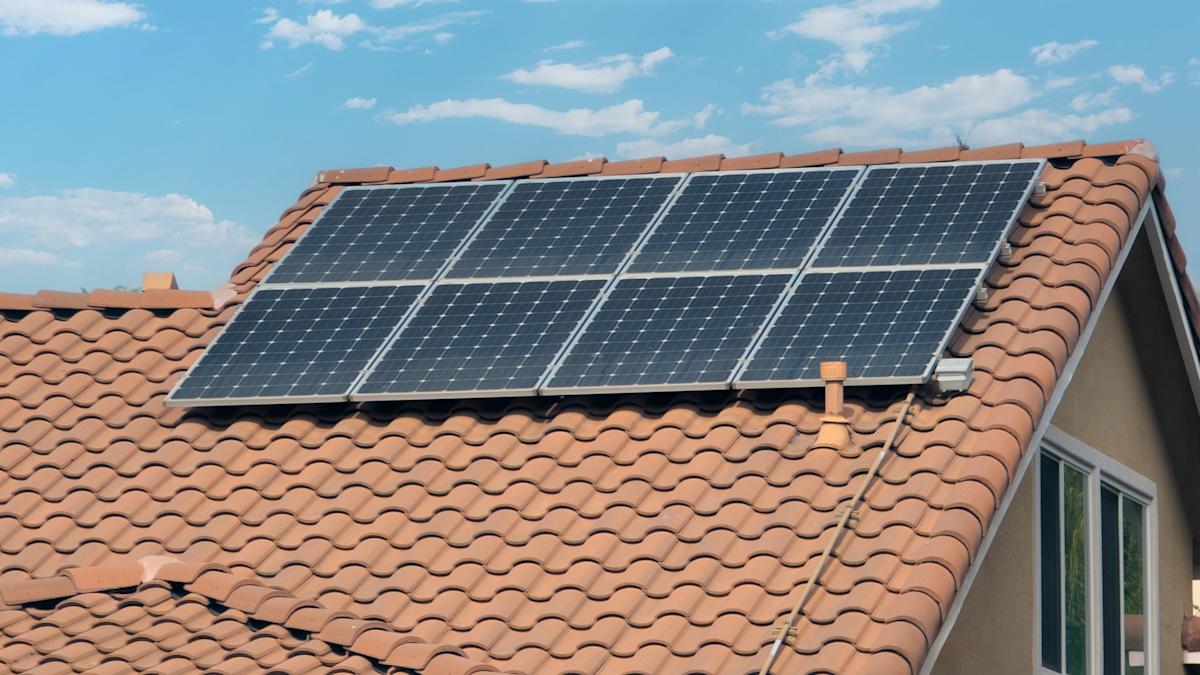
Why Solar Readiness Matters for Your Finances
Installing solar panels is more than an environmental upgrade—it’s a long-term financial decision. For homeowners aiming to reduce expenses and build energy independence, solar can offer consistent savings over time. However, jumping in without proper evaluation can lead to unexpected costs or lower returns.
Solar readiness means understanding whether your home can support the system both physically and financially. This includes assessing your roof, energy usage, and budget. When these factors align, solar becomes a strategic investment rather than a risky expense.
Understanding the True Cost vs. Long-Term Value
At first glance, solar installation can seem expensive. The upfront cost often discourages homeowners who are focused on immediate affordability. But when viewed through a financial lens, solar panels function more like a long-term asset than a one-time purchase.
Over time, the reduction in electricity bills can offset the installation cost. Additionally, solar helps protect against rising energy prices, offering a level of predictability in monthly expenses. For those not ready for a full system, the balcony solar kit guide outlines smaller, more flexible options that require less initial investment while still delivering meaningful savings.
Structural Factors: Is Your Home Physically Ready?
Roof Condition and Suitability
Your roof is the foundation of any solar system. If it is aging or damaged, installing panels may not be advisable until repairs are completed. A strong, well-maintained roof ensures that your system will remain secure and efficient for years.
Space is another important consideration. Homes with larger, unobstructed roof areas can accommodate more panels, increasing potential energy generation. Obstacles like chimneys or vents may limit placement, reducing efficiency.
Sunlight Exposure and Efficiency
Solar panels rely heavily on consistent sunlight. Homes that receive direct sunlight for most of the day tend to generate more energy, improving overall returns.
Orientation also plays a role. Roofs that face the optimal direction for your region capture more sunlight, while shading from trees or nearby buildings can reduce output. Even partial shading can significantly affect performance, making this a critical factor to evaluate.
Energy Consumption: Are You a Good Candidate?
Your energy usage patterns directly influence how beneficial solar panels will be. Homes with higher electricity consumption often see faster returns because they offset more of their utility costs.
Reviewing past energy bills provides a clear picture of your consumption habits. Seasonal changes, peak usage times, and reliance on energy-intensive appliances all affect how much value you’ll get from solar. Aligning your system size with your actual needs helps maximize efficiency and savings.
Financial Readiness: Can You Afford the Investment?
Choosing the Right Payment Approach
Solar installation can be approached in several ways, each with its own financial implications. Paying upfront typically results in the highest long-term savings, as it eliminates interest and financing costs. However, this option requires significant initial capital.
Financing options such as loans spread the cost over time, making solar more accessible. While this reduces the immediate burden, it introduces interest payments that can affect overall returns. Leasing, on the other hand, lowers upfront costs but limits ownership benefits, which may reduce long-term value.
Evaluating Return on Investment
The return on investment for solar panels depends on multiple variables, including installation cost, local energy rates, and system performance. In most cases, homeowners begin to see net savings after several years, with continued benefits over the system’s lifespan.
Understanding your expected payback period is essential. This helps you determine whether solar aligns with your financial goals and timeline.
Comparing Solar Options for Different Budgets
| Option | Upfront Cost | Savings Potential | Best Fit |
| Full Installation | High | High | Long-term homeowners |
| Solar Loan | Moderate | Moderate to High | Budget-conscious buyers |
| Leasing | Low | Moderate | Those seeking flexibility |
| Balcony or Portable Setup | Low | Low to Moderate | Renters or limited spaces |
This comparison shows that solar solutions are flexible. Whether you have a large budget or are starting small, there are options that can fit your financial situation.
Hidden Costs to Keep in Mind
While solar panels are generally low-maintenance, there are additional costs that should not be overlooked. Maintenance may include occasional cleaning or minor repairs to ensure optimal performance. These costs are typically manageable but should still be factored into your financial plan.
Installation can also involve adjustments. Some homes may require electrical upgrades or roof improvements before panels can be installed safely. Permit fees and inspections may add to the total cost, depending on local regulations.
Incentives and Savings Opportunities
Many regions offer incentives to encourage solar adoption. These can significantly reduce the financial burden and improve your overall return.
Tax credits, rebates, and net metering programs are among the most common benefits. Net metering, in particular, allows homeowners to earn credits for excess energy produced, further enhancing savings. Taking advantage of these programs can shorten the payback period and make solar more financially attractive.
Practical Steps to Assess Your Solar Readiness
Preparing for solar installation requires a structured approach. Start by evaluating your roof’s condition and determining whether it can support a solar system. Next, assess how much sunlight your home receives throughout the day.
Review your energy bills to understand your consumption patterns and estimate potential savings. Finally, consider your budget and explore financing options that align with your financial goals. This step-by-step evaluation ensures that your decision is both practical and financially sound.
A Smarter Approach to Energy and Financial Planning
Solar panels offer a unique opportunity to reduce long-term expenses while increasing energy independence. However, the key to success lies in preparation. By carefully assessing your home’s structure, energy usage, and financial readiness, you can make a decision that supports both your budget and your future.
When approached strategically, solar is not just an upgrade—it becomes a reliable tool for managing costs and building long-term financial stability.