

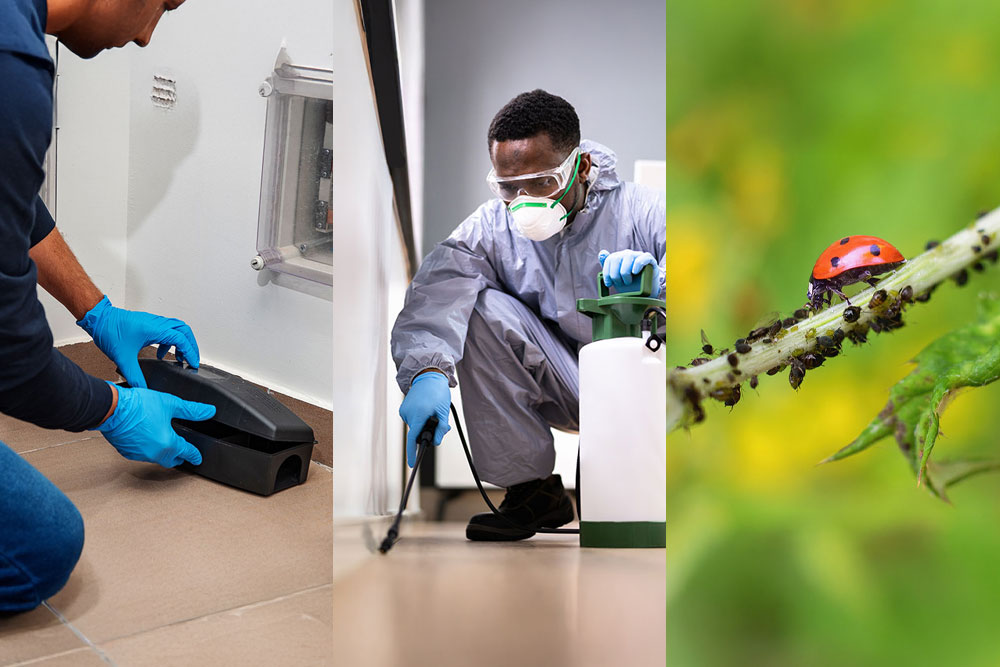
Keeping your home free from pests is essential for maintaining a healthy and comfortable living environment. Pests can cause damage to property, spread diseases, and create an unpleasant atmosphere. Fortunately, there are several safe and practical methods to reduce pest attractants around your house. By focusing on cleanliness, proper storage, and natural deterrents, you can significantly minimize the chances of a pest infestation. This article will guide you through effective strategies to keep your home pest-free, ensuring a safe and pleasant environment for you and your family.
Effective Strategies for Pest Prevention
Maintain Cleanliness and Hygiene
One of the most effective ways to deter pests is by maintaining a high level of cleanliness and hygiene in your home. Pests are often attracted to food residues, spills, and clutter, which provide them with the sustenance and shelter they need to thrive. Regularly cleaning your kitchen, dining areas, and other parts of your home can significantly reduce the likelihood of attracting pests. Make sure to wipe down surfaces, sweep and mop floors, and promptly clean up any spills or crumbs. Additionally, ensure that garbage is disposed of regularly and stored in sealed containers to prevent pests from accessing it. By keeping your home clean and tidy, you create an environment that is less inviting to pests.
Proper Food Storage
Proper food storage is crucial in preventing pests from invading your home. Pests such as rodents, ants, and cockroaches are often drawn to easily accessible food sources. To minimize this risk, store food in airtight containers and keep them in cabinets or pantries. Avoid leaving food out on countertops or tables, as this can attract pests. Additionally, regularly check your pantry for expired or spoiled food items and dispose of them promptly. By implementing these food storage practices, you can effectively reduce the chances of pests finding a food source in your home. For residents in Nebraska, particularly those seeking Pest Control Omaha, these measures are essential in maintaining a pest-free environment.
Seal Entry Points
Pests can enter your home through even the smallest of openings. To prevent this, it is important to seal any potential entry points around your house. Inspect your home for cracks, gaps, or holes in walls, windows, doors, and foundations. Use caulk or weatherstripping to seal these openings and prevent pests from gaining access. Pay special attention to areas where utility lines enter your home, as these are common entry points for pests. Additionally, ensure that doors and windows are fitted with screens and that they are in good condition. By taking these steps, you can effectively block pests from entering your home.
Use Natural Deterrents
Natural deterrents can be an effective way to keep pests at bay without resorting to harsh chemicals. Many plants and essential oils have properties that repel pests. For example, planting herbs such as mint, basil, and lavender around your home can deter insects like mosquitoes and flies. Essential oils like peppermint, eucalyptus, and tea tree oil can be used to create natural sprays that repel pests. Simply mix a few drops of essential oil with water and spray it around entry points, windows, and other areas where pests are likely to enter. These natural methods are not only safe for your family and pets but also environmentally friendly.
Regular Home Inspections
Conducting regular home inspections is a proactive approach to pest prevention. By routinely checking your home for signs of pest activity, you can address any issues before they become major problems. Look for droppings, nests, or damage to property that may indicate the presence of pests. Pay attention to areas such as basements, attics, and crawl spaces, as these are common hiding spots for pests. If you notice any signs of infestation, take immediate action to address the problem. Regular inspections can help you stay ahead of potential pest issues and maintain a pest-free home.
Conclusion
Reducing pest attractants around your home is essential for creating a safe and comfortable living environment. By maintaining cleanliness, properly storing food, sealing entry points, using natural deterrents, and conducting regular inspections, you can effectively minimize the risk of pest infestations. These strategies not only protect your home from damage but also ensure the health and well-being of your family. Implementing these practical measures will help you maintain a pest-free home, providing peace of mind and a pleasant living space.