

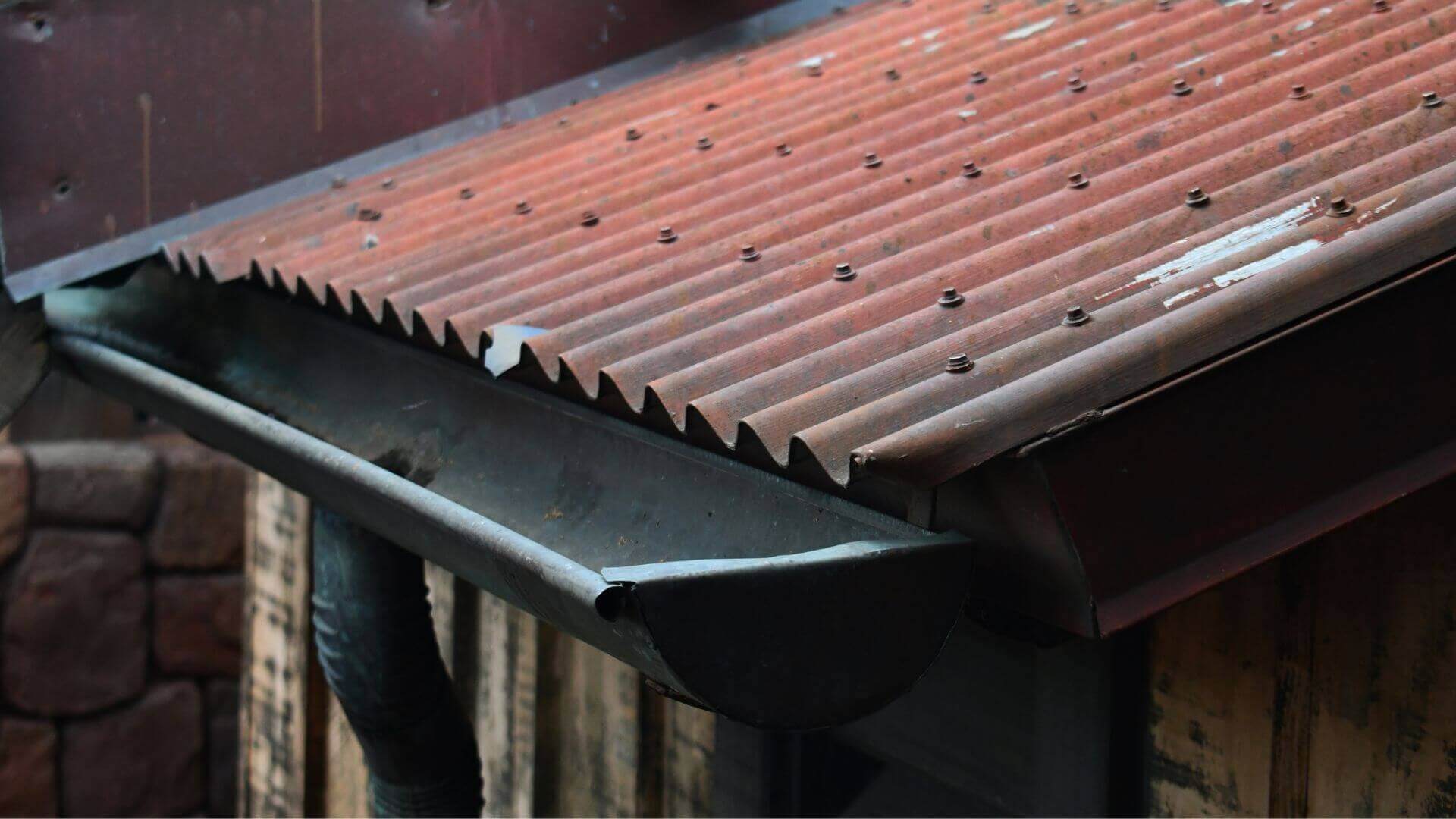
Gutters play a crucial role in protecting homes from water damage by channeling rainwater away from the foundation and exterior walls. However, over time, many homeowners notice unsightly rust or corrosion forming on their gutters, which can compromise both their appearance and functionality. Understanding the underlying causes of rust and corrosion is essential for maintaining the longevity of your gutter system. Factors such as environmental conditions, material quality, and maintenance routines all contribute to the development of these issues. By identifying what leads to rust and corrosion, homeowners can take proactive steps to preserve their gutters and avoid costly repairs.
Key factors behind gutter rust and corrosion
The Role of Moisture and Water Exposure
One of the primary causes of rust and corrosion on gutters is constant exposure to moisture. Gutters are designed to handle rainwater, but when water is allowed to sit in the gutter troughs for extended periods, it creates an environment where rust can easily develop, especially on steel or iron gutters. Standing water often results from clogged gutters filled with leaves, twigs, and other debris, which prevent proper drainage. Over time, this trapped moisture begins to break down the protective coatings on metal gutters, exposing the bare metal underneath to oxygen and water. This combination initiates the oxidation process, leading to the formation of rust. In regions with frequent rainfall or high humidity, the risk of rust and corrosion increases significantly, making regular gutter cleaning and inspection a vital part of home maintenance.
Material Quality and Protective Coatings
The type of material used for gutters greatly influences their susceptibility to rust and corrosion. Aluminum gutters are naturally resistant to rust, but steel gutters, even those that are galvanized, can eventually succumb to corrosion if their protective zinc coating is compromised. Over time, exposure to harsh weather, physical damage, or improper installation can cause the protective layer to wear away, leaving the underlying metal vulnerable. Homeowners who opt for cheaper, lower-quality materials may find that their gutters begin to rust much sooner than those made from higher-grade metals. Additionally, the quality of the paint or sealant applied to the gutters plays a significant role in preventing corrosion. If the coating is thin, poorly applied, or damaged by hail, falling branches, or ladders, it can quickly deteriorate. For those considering a gutter install greenville service, choosing high-quality materials and ensuring proper installation can make a substantial difference in the longevity of the gutter system.
Environmental Factors and Airborne Contaminants
Environmental conditions around a home can accelerate the rusting and corrosion process on gutters. Homes located near the coast are particularly vulnerable due to the presence of salt in the air, which is highly corrosive to most metals. Even homes situated far from the ocean can experience increased corrosion if they are near industrial areas where pollutants and chemicals are present in the atmosphere. Acid rain, which contains higher levels of sulfuric and nitric acids, can also eat away at protective coatings and metal surfaces, hastening the onset of rust. Furthermore, areas with heavy tree cover may see more organic debris accumulating in gutters, which not only traps moisture but can also introduce tannins and other natural acids that contribute to corrosion. Regularly assessing the environmental risks specific to your location can help in developing a maintenance plan that addresses these unique challenges.
The Impact of Poor Maintenance
Neglecting regular gutter maintenance is a significant factor in the development of rust and corrosion. When gutters are not cleaned out frequently, debris builds up and retains moisture, creating the perfect conditions for rust to form. Over time, this can lead to holes, leaks, and even complete gutter failure. In addition to cleaning, it is important to inspect gutters for signs of wear, such as peeling paint, small rust spots, or loose fasteners. Addressing these issues early can prevent them from escalating into more serious problems. Homeowners who make gutter maintenance a routine part of their home care are far less likely to experience severe rust or corrosion, ensuring their gutters remain functional and attractive for years to come.
How Temperature Fluctuations Affect Gutters
Temperature changes can have a notable impact on the integrity of gutter systems. In regions where temperatures swing dramatically between hot and cold, metal gutters expand and contract, which can cause protective coatings to crack or peel away. Once the coating is compromised, moisture can reach the bare metal, starting the rusting process. Freeze-thaw cycles are particularly damaging, as water trapped in small cracks or seams can freeze, expand, and further damage the gutter material. Over time, this repeated stress weakens the gutters and accelerates corrosion. Homeowners in areas with significant temperature variations should be especially vigilant about inspecting their gutters for early signs of damage and addressing any issues promptly.
Quick Tips for Preventing Gutter Rust
Regular cleaning and prompt repairs are essential for keeping gutters free from rust and corrosion. Applying a high-quality sealant or paint can provide an extra layer of protection, especially in harsh climates. Ensuring proper installation and using rust-resistant materials also help extend the life of your gutter system.
Conclusion
Rust and corrosion on gutters are common problems that can lead to significant damage if left unaddressed. The main causes include prolonged moisture exposure, poor material quality, environmental contaminants, lack of maintenance, and temperature fluctuations. By understanding these factors, homeowners can take proactive steps to protect their gutters, such as choosing durable materials, maintaining regular cleaning schedules, and addressing minor issues before they escalate. Investing time and effort into proper gutter care not only preserves the appearance of your home but also safeguards its structural integrity. With the right approach, you can ensure your gutters remain functional and rust-free for many years.
While digital creators focus on capturing global attention online during major events, managing physical assets like a home requires a different kind of preparation. Maintaining residential property helps support long-term investment value and prevents minor issues from turning into expensive disruptions. For example, planning structural updates before severe weather patterns arrive limits wear and tear on your exterior systems. Homeowners in southwestern Ohio often look for local updates to handle seasonal rains, where organizing a precise gutter install in Fairfield can ensure that drainage systems divert water away safely and preserve the building’s overall foundation.